


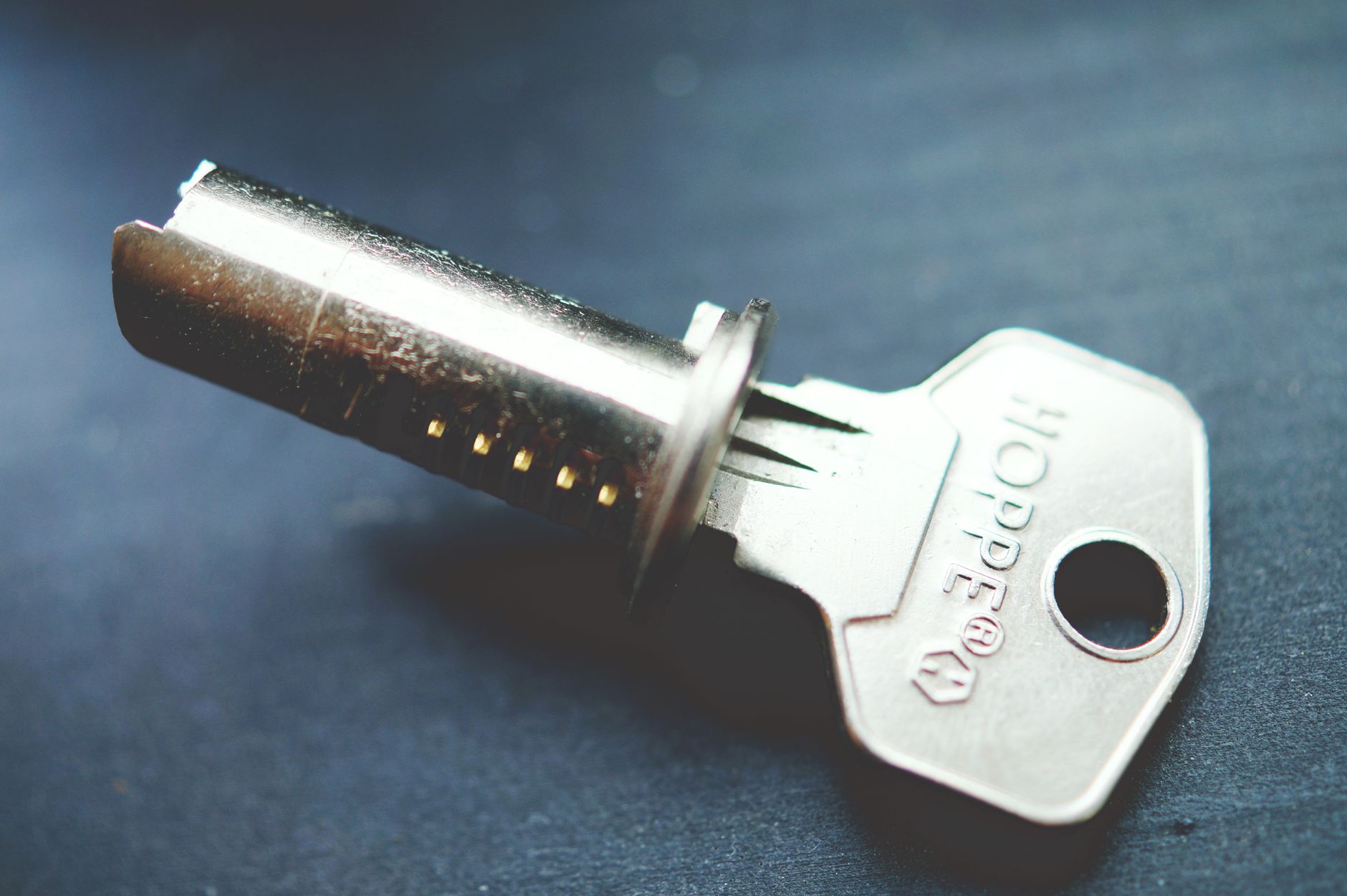
If you’ve ever wondered why replacing a car key costs significantly more than it used to, or why your car won’t start even though you have the correct physical key, you’ve likely encountered the world of transponder key technology. This seemingly small electronic component has revolutionized vehicle security over the past two decades, and understanding how it works can save you money, time, and frustration.
A transponder key is far more than just a piece of cut metal. It’s a sophisticated piece of automotive technology that communicates directly with your vehicle’s security system, providing an extra layer of protection against theft that traditional keys simply cannot match. In fact, the National Highway Traffic Safety Administration (NHTSA) reports that transponder key technology has reduced car theft by approximately 90% since its introduction in the 1990s.
Whether you’re dealing with a lost key, a broken transponder, or simply want to understand your vehicle better, this comprehensive guide will walk you through everything you need to know about what a transponder key is and why modern cars require them.
Table of Contents
Quick Summary: What You Need to Know
- A transponder key contains a microchip that communicates with your vehicle’s immobilizer system
- The technology has reduced vehicle theft by approximately 90% since introduction
- Most cars manufactured after 2000 come equipped with transponder key systems
- Replacement transponder keys are priced per job depending on the vehicle
- You cannot simply cut a transponder key like a traditional key; programming is essential
What Is a Transponder Key?
A transponder key is a car key that contains an embedded microchip capable of transmitting a unique coded signal to your vehicle’s immobilizer system. The word “transponder” itself is a combination of “transmitter” and “responder,” which perfectly describes its function. It both sends and receives signals.
To the naked eye, a transponder key looks nearly identical to a traditional car key. It has the same basic shape, size, and metal composition. However, hidden inside the plastic head of the key is a sophisticated electronic component: a radio frequency identification (RFID) chip paired with a coil antenna.
This chip is typically no larger than a grain of rice, yet it holds all the security codes necessary to communicate with your car’s security system. When you insert the key into your ignition and turn it, this microchip springs to life and begins transmitting its unique identification code.
Key Components of a Transponder Key
Understanding the physical components of a transponder key helps demystify why they’re more complex and expensive than traditional keys:
- The Metal Blade: The actual key portion that physically turns the ignition cylinder. This part is cut to your vehicle’s specifications, just like any traditional key.
- The Plastic Head: Houses all the electronic components and provides physical protection for the microchip inside.
- The Microchip (RFID Chip): The silicon-based electronic component that stores the unique security code. Most modern chips operate at a frequency of 125 kHz or higher.
- The Coil Antenna: A copper wire wrapped around the microchip that receives and transmits radio signals between the key and your vehicle’s receiver module.
How Does a Transponder Key Work?
The process of how a transponder key communicates with your vehicle is elegant in its engineering, though it happens in mere milliseconds. Understanding this process can help you appreciate why these keys are essential to modern vehicle security.
The Step-by-Step Process
- Key Insertion: You insert the transponder key into the ignition cylinder and turn it to the “On” position.
- Signal Transmission: The vehicle’s immobilizer unit transmits a low-frequency radio signal to activate the microchip in your key.
- Chip Activation: The incoming signal powers the microchip, which then responds by transmitting its unique code back to the vehicle’s receiver.
- Code Verification: The vehicle’s computer system receives the code and compares it against the list of authorized codes stored in its memory.
- Engine Authorization: If the code matches, the immobilizer deactivates, allowing the engine to start. If the code doesn’t match, the engine remains disabled.
This entire communication sequence takes just milliseconds to complete. If at any point the vehicle doesn’t recognize the transmitted code, whether due to a damaged chip, incorrect programming, or an unauthorized key, the engine immobilizer prevents the vehicle from starting, regardless of whether the physical key turns the ignition properly.
The Role of the Immobilizer System
The immobilizer is essentially your vehicle’s security guardian. This sophisticated electronic system controls whether fuel can be injected into your engine and whether the ignition system can function. Without proper authorization from your transponder key, the immobilizer simply won’t allow the engine to run.
Modern immobilizer systems are encrypted with advanced security protocols. The codes between your key and your vehicle are randomized and change every time you start the car, making it virtually impossible for thieves to replicate the signal or clone your key through simple radio frequency jamming.
Why Does Your Car Need a Transponder Key?
The shift from traditional keys to transponder key systems wasn’t arbitrary. It was driven by a critical need to combat automotive theft, which had reached epidemic proportions in the 1990s.
The Theft Prevention Factor
Before transponder keys became standard, car thieves only needed two things: the ability to pick a lock and basic wiring knowledge. Traditional keys offered virtually no protection against sophisticated theft methods like hotwiring, where a thief bypassed the ignition entirely and directly accessed the vehicle’s electrical system.
Statistics paint a compelling picture of transponder key effectiveness. According to data from the National Insurance Crime Bureau (NICB), vehicle theft losses were significant before widespread transponder adoption. Since transponder key requirements became standard in the 2000s, insurance data shows a dramatic shift in theft patterns; older vehicles without this technology are now stolen at rates four to five times higher than comparable newer vehicles.
| Security Feature | Traditional Key | Transponder Key |
|---|---|---|
| Physical Lock Picking Resistance | Low – Can be picked in minutes | High – Still requires proper key |
| Hotwiring Prevention | None – Engine starts without key | Complete – Engine won’t run without code match |
| Code Cloning Risk | N/A – No electronic codes | Extremely Low – Codes change every start |
| Typical Theft Time | Under 5 minutes | 20+ minutes or specialized equipment |
| Insurance Premium Impact | Higher premiums for older vehicles | Lower premiums due to theft resistance |
Consumer Protection and Legal Requirements
The effectiveness of transponder technology led to legal mandates across North America. Beginning in 2008, the National Highway Traffic Safety Administration (NHTSA) began requiring all new vehicles to include anti-theft technology as a standard feature. By 2010, this requirement was essentially universal for all light vehicles.
This legal requirement wasn’t just about protecting car owners. It reflected a broader understanding that vehicle theft affects insurance rates for entire communities. When theft rates decrease in a region, insurance companies may lower premiums for drivers in that area.
Why You Can’t Simply Cut a New Transponder Key
This is one of the most important distinctions between transponder keys and traditional keys. With a traditional key, a locksmith or hardware store could duplicate it simply by using the original as a template and cutting metal to match.
With a transponder key, cutting the metal blade is only half the job. The new key must also be programmed with the exact security code that your vehicle’s immobilizer system expects. This programming step requires specialized equipment and professional expertise. It cannot be done at a standard hardware store or by simply copying the physical shape of an existing key.
Without proper programming, a perfectly cut transponder key will turn in your ignition but won’t start your engine. This is precisely what prevents thieves from simply creating new keys from stolen vehicles.
Types of Transponder Keys
Not all transponder keys are identical. Vehicle manufacturers use different chip types and encryption methods to enhance security and differentiate their systems. Understanding these differences is important when you need to replace a key.
Fixed Code vs. Rolling Code Transponders
Fixed Code Transponders: These older-generation chips transmit the same code every time. While still effective, they’re considered less secure than modern alternatives because the same code is transmitted repeatedly, which in theory could be captured and replayed by sophisticated equipment (though this is rare in practice).
Rolling Code Transponders: Modern vehicles use rolling code technology, where the transmitted code changes with every key press or engine start. This dramatically increases security because even if someone captured one transmission, that code would be useless for future starts. The vehicle and key use a synchronized algorithm to generate the next valid code in a seemingly random sequence.
Remote Keyless Entry (RKE) Integration
Many modern transponder keys integrate with remote keyless entry systems, combining the transponder chip with RF components for lock/unlock buttons. These advanced keys function as both your security key and your remote control, all in one unit.
These combination keys are more expensive to replace but offer convenience that many drivers appreciate. Some luxury vehicles even offer proximity key systems where the transponder key can remain in your pocket while the vehicle recognizes your presence and allows starting with a push button.
Key Fob Transponders
Some vehicles separate the transponder functionality from the physical key. A small electronic key fob or card contains the transponder chip, while the physical key only operates the door locks. This design is particularly common in some European and luxury vehicles.
The advantage of this approach is that if you lose the physical key, you can still start your car with the fob. However, you would need to replace the fob, which can be more expensive than replacing a traditional transponder key.
Lost or Damaged Transponder Keys
If your transponder key is lost, stolen, or damaged, you have several options for replacement. The cost and complexity depend on whether you have a spare key, the make and model of your vehicle, and where you choose to get the replacement.
Dealership Replacement
Your vehicle’s manufacturer dealership may provide a replacement transponder key. Dealerships may have access to your vehicle’s security codes and can program keys for the vehicle.
Dealership replacement is priced per job, and timing may vary.
You’ll typically need to provide proof of ownership (title or registration) and a government-issued ID. If you’ve lost all keys, you may face additional costs for vehicle documentation verification and possible security measures to confirm you’re the legitimate owner.
Professional Automotive Locksmith Service
A qualified automotive locksmith can often provide faster service at competitive rates compared to dealerships. Professional locksmiths like the team at Easy Keys 4 Cars have the specialized equipment needed to cut the physical key and program the transponder chip correctly.
The advantages of locksmith service include:
- Automotive locksmith service details and pricing are confirmed before work starts.
Easy Keys 4 Cars provides automotive locksmith services, with work priced per job.
What Information You’ll Need for Replacement
When requesting a replacement transponder key, have the following information ready to expedite the process:
- Vehicle year, make, and model
- VIN (Vehicle Identification Number)
- Vehicle registration or proof of ownership
- A working key (if you have a spare) or access to your vehicle
- Information about any remaining keys you still have
If you have a spare transponder key available, locksmiths can often program a new key faster since they can verify the security codes by communicating with your vehicle through the spare.
Preventing Key Loss: Best Practices
Since transponder key replacement is expensive and inconvenient, preventing loss is worth the effort:
- Always maintain a spare key: Keep a spare transponder key at home or with a trusted person, separate from your primary key.
- Use key tracking devices: Modern Bluetooth key finders can help locate lost keys quickly.
- Avoid key damage: Don’t expose transponder keys to extreme heat, moisture, or physical stress. The electronic components are delicate.
- Establish a routine: Designate a specific place for your keys to reduce the chance of losing them.
- Test spare keys periodically: If you have a spare, test it occasionally to ensure the transponder chip is still functioning properly.
Frequently Asked Questions
How much does a transponder key replacement typically cost?
Transponder key replacement is priced per job, and the exact price is confirmed before work starts.
Can I program a transponder key myself at home?
Most modern vehicles require professional programming equipment to program transponder keys correctly. While some older vehicles may allow “self-programming” procedures, this is rarely possible with contemporary security systems. Professional locksmith or dealership service is virtually always necessary to ensure your new key works reliably and maintains your vehicle’s security integrity.
What happens if my transponder key gets wet or damaged?
Water damage can corrode the microchip and antenna inside your transponder key, rendering it inoperable. If your key gets wet, allow it to dry completely before using it. If the key stops working after water exposure, you’ll need a replacement. To protect against water damage, consider using a waterproof key case or keeping your spare key in a dry location away from moisture.
Can a locksmith program a transponder key if I don’t have a spare key?
Yes, professional locksmiths can program a new transponder key even without a spare, though it’s more complex. They’ll need access to your vehicle and may need to use specialized diagnostic equipment to retrieve your vehicle’s security codes. This process takes longer and may cost slightly more than programming with a spare key available, but it’s definitely possible.
The Bottom Line: Understanding Your Transponder Key
A transponder key is far more than just a piece of cut metal. It’s a sophisticated security device that can help protect your vehicle from theft. The embedded microchip and immobilizer system it works with have made transponder keys an important automotive security measure.
Understanding what a transponder key is and how it works helps you appreciate why replacement costs are higher than traditional keys, and why you need professional service rather than a simple hardware store duplication. Whether you’ve lost your key, need a spare, or simply want to understand your vehicle better, this knowledge empowers you to make informed decisions.
When you do need a replacement transponder key, choose a service provider you can trust. Professional automotive locksmiths have the expertise and equipment to ensure your new key is cut correctly and programmed perfectly to your vehicle’s specifications, getting you back on the road safely and securely.
“Transponder keys represent a critical evolution in vehicle security. They’ve become an industry standard and can help deter theft while remaining convenient for legitimate owners. When you need service, consider professionals who understand this technology.”

This article was drafted with AI assistance to ensure factual accuracy.