


<meta name="description" content="Learn how to program a car key fob at home with our step-by-step guide. Save time and money with these expert tips from Easy Keys 4 Cars.”>
⚡ Quick Summary
Programming a car key fob at home is possible for many vehicle makes and models using a simple ignition-cycling method, no special tools required. However, newer vehicles with advanced security systems often require a professional programmer or dealer-level equipment. In this guide, we walk you through the most common DIY programming methods, what you’ll need, and when it makes more sense to call a professional automotive locksmith. If you run into trouble at any point, contact Easy Keys 4 Cars for automotive locksmith services.
What Is a Car Key Fob?
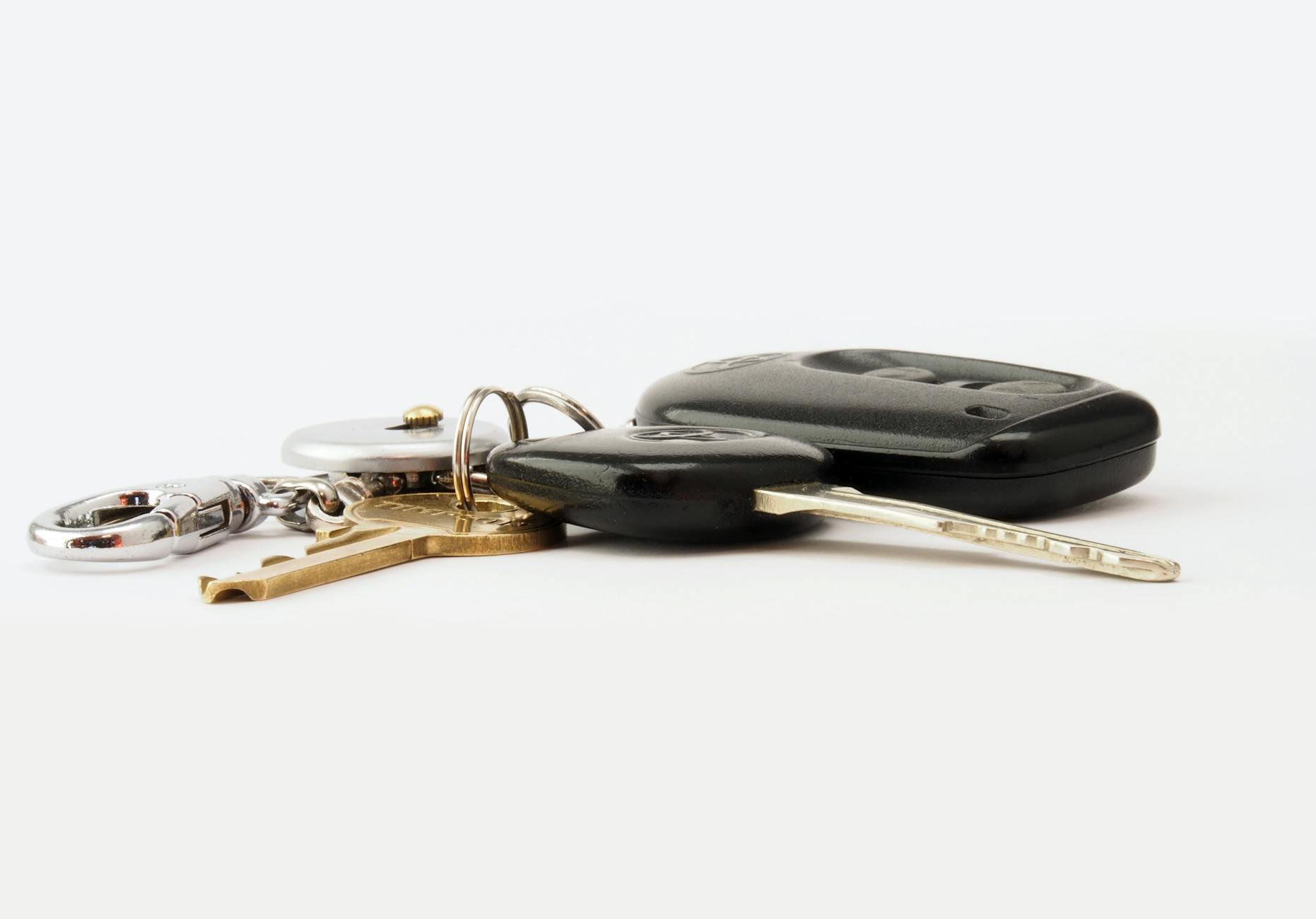
A car key fob is a small, handheld remote control device that communicates wirelessly with your vehicle’s onboard computer. Most modern vehicles, those manufactured from the mid-1990s onward, come equipped with a key fob that allows you to lock and unlock your doors, open the trunk, trigger the panic alarm, and in some cases, start the engine remotely.
The fob works by transmitting a unique encrypted radio-frequency signal that is recognized by your car’s receiver. Each fob is programmed with a specific code that matches your vehicle’s immobilizer system. Without this programming, even a physically identical fob won’t work with your car.
Key fobs can stop working for several reasons: dead batteries, physical damage, signal interference, or loss of programming. Replacing or reprogramming a car key fob used to mean an expensive trip to the dealership, but today there are more options available, including doing it yourself at home.
Can You Program a Car Key Fob Yourself?
The short answer is: sometimes, yes. Whether you can successfully program a car key fob on your own depends largely on the year, make, and model of your vehicle.
Vehicles That Typically Allow DIY Programming
Many domestic vehicles from the 1990s through the early 2010s, particularly those made by General Motors, Ford, and Chrysler, allow what’s called “self-programming” or “dealer-mode programming.” This involves a series of steps using the ignition key and door locks that puts the car into a programming mode, allowing it to learn the new fob’s signal.
Vehicles That Usually Require Professional Equipment
Newer vehicles, especially European makes like BMW, Mercedes-Benz, and Audi, as well as newer models from Japanese manufacturers, use encrypted transponder chips and rolling security codes that cannot be programmed without specialized OBD-II diagnostic equipment or dealer-level software. If you drive one of these vehicles and need to program a car key fob, you’ll likely need professional assistance.
What You’ll Need Before You Start
Before attempting to program your key fob at home, gather the following items:
- A working replacement key fob , Make sure it’s the correct part number for your vehicle (check the owner’s manual or the back of your existing fob).
- Your vehicle’s owner’s manual , Many manuals include step-by-step programming instructions specific to your model.
- A working ignition key , You’ll need at least one functioning key that can start the car.
- Fresh batteries , If your new fob came without a battery, install one before starting.
- A quiet, distraction-free environment , The programming sequence involves precise timing, so minimize distractions.
It’s also worth checking online forums or YouTube for vehicle-specific tutorials, as the exact steps can vary significantly from one model to another.
How to Program a Key Fob: The Ignition-Cycling Method
The ignition-cycling method is the most common DIY approach to program a car key fob at home. Here’s a general step-by-step guide, though you should always verify the exact sequence in your owner’s manual:
Step 1: Sit Inside Your Vehicle
Get into the driver’s seat and close all the doors. Make sure all doors are fully closed, this is important because some vehicles detect door status as part of the programming sequence.
Step 2: Insert and Remove the Key Quickly
Insert your key into the ignition and then remove it rapidly. Depending on your vehicle, you may need to repeat this action 3 to 8 times within a specific time window (often 10 seconds). This rapid cycling signals the car’s computer to enter programming mode.
Step 3: Listen for the Lock Cycle
When you’ve successfully entered programming mode, you’ll usually hear the door locks cycle (lock then unlock). This is your confirmation that the car is ready to receive a new fob signal.
Step 4: Press a Button on the New Key Fob
Within a few seconds of hearing the locks cycle, press any button on your new key fob , typically the “Lock” button. Hold it for about one to two seconds. The locks should cycle again to confirm the fob has been programmed successfully.
Step 5: Program Additional Fobs (If Needed)
If you have additional fobs to program, press a button on each one within the same programming session. Most vehicles will allow you to program multiple fobs at once before exiting programming mode.
Step 6: Exit Programming Mode
Remove the key from the ignition to exit programming mode. Test each programmed fob by pressing the lock and unlock buttons from outside the vehicle.
Programming With an OBD-II Device
For vehicles that don’t support the ignition-cycling method, an OBD-II (On-Board Diagnostics) programmer may be the answer. These devices plug into the OBD-II port located beneath your dashboard (usually near the steering column) and communicate directly with your vehicle’s computer.
Consumer-Grade OBD-II Programmers
Aftermarket tools may be available for key fob programming.
Limitations of Consumer OBD-II Tools
While consumer-grade programmers have improved significantly, they still can’t cover every vehicle. Many newer luxury and high-security vehicles require proprietary software that only dealers or certified locksmiths can access. If you purchase an OBD-II programmer and it doesn’t support your vehicle, you may end up spending more money than if you’d called a professional from the start.
For the most accurate and cost-effective solution, consider reaching out to Easy Keys 4 Cars before investing in programming equipment you may only use once.
Programming Tips by Vehicle Make
Here’s a quick overview of what to expect when trying to program a car key fob for some of the most popular vehicle brands:
Ford / Lincoln / Mercury
Many Ford models from the late 1990s to early 2010s support self-programming via ignition cycling. Check your owner’s manual for the exact number of key cycles required. Newer Ford models (2011 and up) increasingly require dealer software.
General Motors (Chevrolet, GMC, Buick, Cadillac)
GM vehicles are often among the easiest to self-program. Most models from the 1990s through the 2010s use a straightforward ignition-cycle method. Cadillac and newer models may require a Tech 2 scan tool.
Chrysler / Dodge / Jeep / Ram
These vehicles typically require the ignition to be cycled to “On” and back (not started) multiple times. The exact number varies, but 4 to 8 cycles is common. Some models require a factory scan tool for programming.
Toyota / Lexus
Older Toyota models may allow ignition-cycle programming, but most vehicles from 2010 onward require specialized diagnostic equipment. Smart key systems are particularly difficult to program without professional tools.
Honda / Acura
Honda is known for being relatively restrictive with DIY programming. Many models require an authorized Honda diagnostic system (HDS) to program a new fob, making professional assistance almost always necessary.
BMW / Mercedes-Benz / Audi / Volkswagen
European luxury vehicles almost universally require dealer or locksmith-level programming equipment. DIY is rarely an option for these makes. If you own one of these vehicles and need help, contact the specialists at Easy Keys 4 Cars for a fast, reliable solution.
Troubleshooting: Why Won’t My Key Fob Program?
If you’ve followed all the steps and your key fob still isn’t working, here are some common reasons why:
- Wrong replacement fob: Even a slight mismatch in part number can prevent programming. Double-check the FCC ID and part number on both fobs.
- Dead or weak battery: A brand-new battery from a reputable brand makes a difference. Cheap batteries can fail immediately.
- Timing issues: The ignition cycling must happen within a very specific time window. If you’re too slow or too fast, the car won’t enter programming mode.
- Your vehicle doesn’t support self-programming: Some cars simply don’t have a DIY programming option. Check your owner’s manual or call the dealership to confirm.
- Faulty fob: A defective replacement fob is more common than you’d think, especially with low-cost aftermarket parts. Try a different fob before giving up.
- Immobilizer or anti-theft issues: If your car’s anti-theft system has been triggered or is malfunctioning, it can prevent fob programming entirely.
If none of these solutions resolve the issue, it’s time to call in the experts. You can schedule a service appointment with Easy Keys 4 Cars and have a professional diagnose and fix the problem quickly.
When to Call a Professional Automotive Locksmith
There’s no shame in calling a professional. In fact, for many situations, it’s the smarter choice, both financially and in terms of time saved. Here are the scenarios where professional help is clearly the better option:
- You’ve lost all keys and fobs and have no way to start the vehicle.
- Your vehicle requires dealer-level programming software.
- You’ve tried multiple times to self-program without success.
- You need a new transponder key cut and programmed simultaneously.
- You’ve purchased an OBD-II programmer but it doesn’t support your vehicle.
- Your car is a newer model (2015 or later) with advanced security features.
An experienced automotive locksmith like the professionals at Easy Keys 4 Cars has the tools and expertise to handle virtually any vehicle, often at a fraction of the dealer cost and with mobile service available so you don’t have to tow your vehicle anywhere.
Frequently Asked Questions
How much does it cost to program a car key fob?
Programming services are priced per job.
Can I program a used key fob to my car?
In many cases, yes , a used fob can be erased and reprogrammed to a new vehicle. However, some manufacturers use VIN-locked fobs that can only be programmed to the original vehicle. Always verify compatibility before purchasing a used fob.
Will programming a new key fob erase the old ones?
This depends on the vehicle. Some cars erase all previously programmed fobs when you enter programming mode, which means you’ll need to reprogram all your existing fobs at the same time. Others add the new fob without erasing existing ones. Check your owner’s manual for details.
How long does it take to program a key fob?
The ignition-cycling method typically takes only 5 to 10 minutes once you know the exact sequence. Professional programming with OBD-II equipment usually takes 15 to 30 minutes.
Do all key fobs need to be programmed?
Yes. Every key fob must be programmed to communicate with your specific vehicle’s receiver. Buying a key fob online and simply inserting a battery won’t make it work , programming is always required.
Can a locksmith program a key fob on-site?
Absolutely. Mobile automotive locksmiths are fully equipped to program key fobs, transponder keys, and smart keys on-site at your home, office, or roadside location. This is often faster and cheaper than going to a dealership.
Need Help Programming Your Car Key Fob?
Easy Keys 4 Cars provides automotive locksmith services.
Whether you’ve lost your only key, need a spare programmed, or your fob just stopped working, we’ve got you covered with fast, reliable service you can count on.
👉 Get Expert Key Fob Programming Now
Fast response times • Competitive pricing • Professional certified locksmiths